
Slab Leak Detection
Warm spots on your floor or a sudden spike in your water bill? We locate leaks under concrete slabs with acoustic sensors and thermal imaging — no jackhammer guesswork.
Slab Leak Detection in Camden, NJAudubon calls itself the most patriotic small town in America — and its homes are as old as its pride, most of them built before World War II. Musty closet? Stained ceiling?A water bill twice what it should be?We bring acoustic gear and thermal cameras and find the leak without disturbing the house. Call (856) 245-0967.
Our Camden services, brought to Audubon:
Warm spots on your floor or a sudden spike in your water bill? We locate leaks under concrete slabs with acoustic sensors and thermal imaging — no jackhammer guesswork.
Slab Leak Detection in Camden, NJWe trace leaks in buried water and main lines between your meter and your home, marking the exact spot so repairs stay small and affordable.
Underground Main Line Detection in Camden, NJDamp patches, bubbling paint, or musty smells? Our moisture scans find hidden leaks inside walls and ceilings before mold takes hold.
Interior Wall & Ceiling Detection in Camden, NJLosing more water than evaporation explains? We pressure-test plumbing and scan pool shells to find pool and spa leaks fast — saving water and chemicals.
Pool & Spa Leak Detection in Camden, NJProtect your building and your tenants. We inspect commercial properties for hidden leaks that drive up utility bills and risk structural damage.
Commercial Leak Detection in Camden, NJWe detect natural gas line leaks and HVAC refrigerant leaks with sensitive electronic detectors. Smell gas? Leave the property and call 911 first — then call us.
Gas & HVAC Refrigerant Detection in Camden, NJOur ultra-sensitive ground microphones hear leaks you can't — pinpointing pressurized pipe leaks under soil, concrete, and asphalt.
Acoustic Leak Detection in Camden, NJInfrared cameras reveal temperature differences caused by hidden moisture, letting us map leaks behind surfaces without opening them.
Thermal Imaging Leak Detection in Camden, NJFor the toughest leaks, we introduce a safe tracer gas into the line and track it to the exact escape point — accurate to within inches.
Tracer Gas Leak Detection in Camden, NJSoggy yard spots or sewage odors? We locate breaks and leaks in sewer lines so you fix the right section the first time.
Sewer Line Leak Detection in Camden, NJActive leak causing damage right now? Call (856) 245-0967 — we prioritize urgent leak calls across Camden, NJ.
Emergency Leak Detection in Camden, NJSummer bill spike but the house is dry? We test each sprinkler zone at the meter, check valves and the manifold, and mark the broken lateral before anyone digs — one small patch of lawn, not a trench across it.
Irrigation Leak Detection in Camden, NJTenant reported a stain, or a bill spiked on one property among many? We pinpoint the leak and document it with a written report, moisture map, and photos your owner or insurer can act on.
Property Manager Leak Detection in Camden, NJThe complete list lives on our home page.
Audubon is a small borough of detached single-family homes — 71% of its housing, by Census figures — built mostly before World War II, with its commercial life strung along the White Horse Pike and the Black Horse Pike. Named for the naturalist John James Audubon, formed from Haddon Township in 1905, it is a town where the houses have outlived their original pipes by decades.
We do leak detection Audubon-wide — from the White Horse Pike corridor and the Black Horse Pike area, to Merchant Street, Kings Highway, and Nicholson Road.Wherever your home sits, the plumbing story is familiar: pipes installed before most of us were born, in homes that were built to last.
Audubon falls in ZIP code 08106 — most visits scheduled same-day or next-day. Call (856) 245-0967.
We also serve nearby Camden County towns: Clementon, Haddon Township, Oaklyn, and Merchantville.
Audubon homes are beautiful — but let's be honest about the plumbing. Much of the borough's housing went up before World War II, and many homes still carry their original supply lines. Galvanized pipe has a lifespan that most of these homes have already blown past. Pinhole leaks are the classic Audubon call: a fine spray inside a wall you can't see, slowly soaking everything around it. On a pre-war house, the original galvanized lines are living on borrowed time.
Plaster-and-lath walls hide the path: water does not fall straight down, it runs along the lath and appears as a stain far from the leak. Cut where the stain is and you miss the leak — thermal imaging follows the moisture trail back to the source instead. That tracing-back is the whole point of professional leak detection.
And then the trees: Audubon's mature street trees are gorgeous and merciless to old clay sewer laterals, roots hunting for water and crushing in. Slow drains plus gurgling plus a soggy patch — we see that combination over and over.
Audubon was formed on March 13, 1905, from Haddon Township, and named for John James Audubon, whose ornithological research took place near Haddon Lake. The borough's claim to fame is its service record: three Medal of Honor recipients — Samuel M. Sampler in World War I, Edward Clyde Benfold and Nelson Vogel Brittin in Korea — honored by a memorial at Audubon High School, behind the borough's "Most Patriotic Small Town in America" title.
The housing tells its own story. Much of Audubon was built before World War II, and 71% of its homes are detached single-family houses — the classic borough pattern of a freestanding home on its own lot, with its own supply line, its own sewer lateral, and its own aging pipes. Audubon Park, the neighboring borough built as wartime workers' housing in 1941, split off in 1947.For leak detection, the lesson is the era: a pre-war home with original pipes deserves a meter check twice a year, and a professional look at the first sign of trouble, not the tenth.
The arithmetic behind most Audubon calls is simple. Galvanized steel pipe — standard for supply lines in homes built before the 1960s — has a practical lifespan of 40 to 50 years, per trade sources, and Audubon's pre-war homes are 80-plus.The zinc that once guarded the steel wears away from inside, rust sets in, flow narrows, and the pipe eventually pinholes — a pressurized spray inside a wall, hidden until damage spreads.
For cast-iron drains, the National Association of Home Builders figure is up to 100 years, while plumbers report failures in as little as 50.The bottom of the pipe channels as water wears a groove through it, and section joints dry out and crack. A cast-iron stack in a pre-war Audubon home is not a young pipe.
Underneath sit clay sewer laterals: brittle, jointed every few feet, and no match for the roots of Audubon's mature street trees. Root intrusion starts quietly — a slow drain — and ends as a sewage backup.
None of that condemns your house. It means a pre-war home with original pipes earns a meter check twice a year — and a professional look at the first sign of trouble, not the tenth.
Audubon's drinking water comes from New Jersey American Water's Western Division. The Western system draws from wells in the Potomac-Raritan-Magothy aquifer system, the Delaware River, and the Mount Laurel-Wenonah and Englishtown aquifers, and delivers it through a large regional network serving Audubon and many neighboring Camden County towns.
Older regional systems mean older street mains, and New Jersey's freeze-thaw winters are brutal on every buried pipe in town. When a service line cracks, the leak is usually on the homeowner's side of the meter. Try the meter test yourself: every faucet and fixture off, then watch the meter — any movement means water is leaving your system somewhere.
A regional system means regional knowledge, spread across the division. When a service-line pattern turns up, we can usually identify the suspect side — street or yours — before anyone digs.
Water damage restoration nationally averages $3,867 (Angi, 2026) — keep that number in mind, because it is the middle of the range, not the worst of it. The worst of it: water damage and freezing claims averaged $15,400 each over 2019–2023, per the Insurance Information Institute. The way to stay near the bottom: a professional detection visit, which nationally runs $150 to $400, averaging near $280 (Angi, 2026 data), and covers pinpointing the leak, not repairing it.A minor leak caught right away through early detection runs closer to $450. No Audubon-specific prices exist, so we use the national ones and say so.
When you price leak detection Audubon-wide, compare leak-detection-only quotes.Your price is quoted upfront, before any work begins. In a borough where a pre-war home can hide a pinhole leak for months behind plaster, a few hundred dollars for a leak detection answer beats five figures for a restoration.
Old houses get a no-hunch rule: nothing opens before it is located. Thermal cameras read heat signatures through plaster, showing hidden moisture, while acoustic microphones hear pressurized leaks through floors and soil.
Sewer lines get the same pinpoint-first treatment: we find the intrusion or break exactly, so the repair is one section instead of a trenched yard. Moisture meters map how far dampness has spread inside wall cavities.
The visit ends with the source marked, the story in plain English, and plaster, woodwork, and tile undisturbed. That is what Audubon residents book when they want an answer, not a demolition estimate.
What Audubon calls tend to have in common:
Two or more sound familiar? Call (856) 245-0967 — in a pre-war home, early detection is everything.
The pattern repeats across Audubon's pre-war blocks: a faint hissing inside a wall that the homeowner notices only when the house is quiet, and a water bill that has been creeping up for months. The acoustic sensor confirms it — a pinhole in a galvanized elbow, spraying a fine mist inside the wall cavity, soaking insulation and plaster while the surface still looks fine.
Because we map the moisture first, nobody opens the wall blindly: thermal imaging traces the dampness back to the failed elbow, and one precise opening replaces a guess. That restraint is the whole job on Audubon homes — the plaster that survived eighty years deserves to survive the repair too.
Every house is different, but the method never changes — diagnose first, pinpoint second, dig only at the leak.
Straight answers for Audubon homeowners — real costs, honest symptom guides, and detection methods backed by what leak pros actually see in the field.
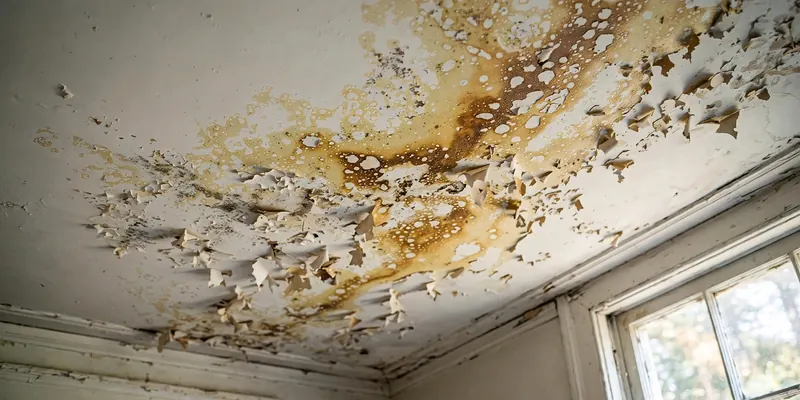
Musty odor, travelling stains, the 48-hour mold clock — why the stain is never where the leak is, and how pros actually track the source.
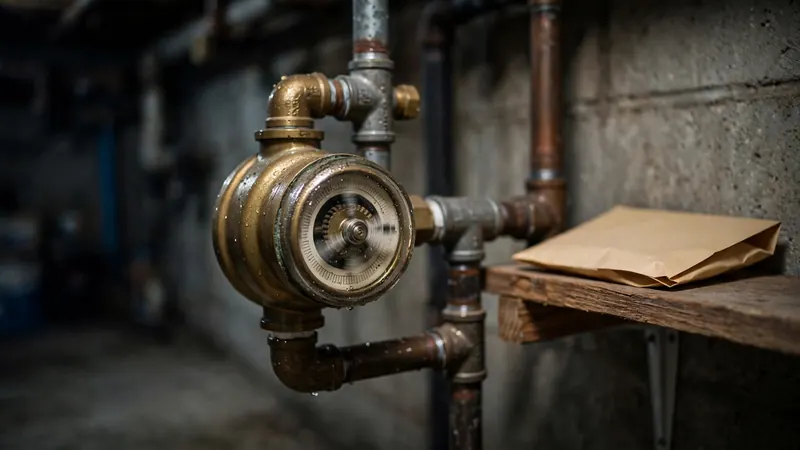
The 15-minute meter test, real water-loss numbers by leak size, and Camden-specific utility facts — from meter rights to pipe replacement programs.
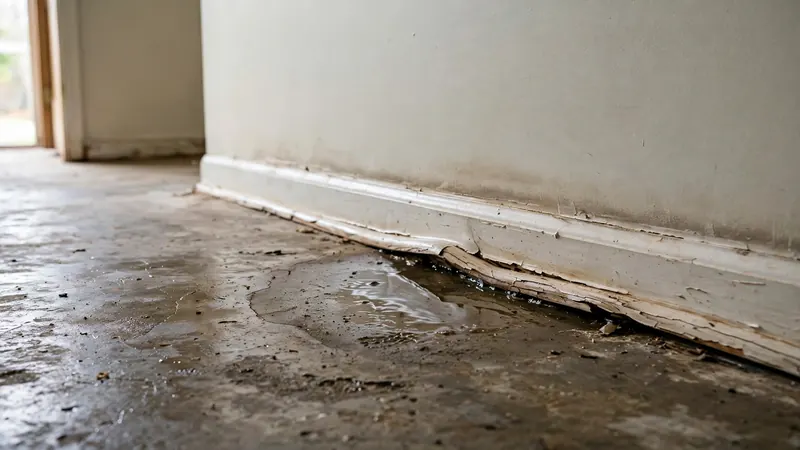
Warm floor spots, phantom water sounds, climbing bills — the six signs of a slab leak, why hot-side leaks dominate, and how pros confirm one without breaking concrete.
Yes, it's built for that. Acoustic sensors hear leaks through plaster and brick, thermal cameras read temperature differences behind walls, and moisture meters map water's path — zero demolition involved. The precise spot gets marked, and only that spot opens.
A professional detection visit nationally runs $150 to $400 (Angi, 2026 data) — for pinpointing the leak, not repairing it.Our pricing is quoted upfront, before any work starts. Shop around by comparing leak-detection-only quotes, and weigh them against the national average water-damage claim of about $15,400.
Audubon's mature street trees and old clay laterals put roots high on the suspect list — we pinpoint the intrusion, so only that section needs work.
In plaster-and-lath walls, water travels and shows up far from the source. We track the moisture trail back with thermal imaging and moisture meters instead of chasing the stain.
Yes — the best first test there is. Every faucet, fixture, and appliance off, then watch the meter. Movement with everything off means water is leaving your system somewhere, and that's when you call us.
We dispatch from the Camden area and get to Audubon fast — most visits are same-day or next-day. Call (856) 245-0967.
That's the hidden-leak story we hear more than any other. A supply-line leak often drains into soil or wall cavities, out of sight.We check your meter for movement with everything shut off, then use acoustic and thermal tools to track down where it's going.If your bill doubled, water is leaving the meter somewhere — call (856) 245-0967.
If they're original galvanized supply lines, yes — galvanized pipe has a practical lifespan of 40 to 50 years, and a pre-war home is 80-plus. That doesn't mean failure is imminent, but it does mean a meter check twice a year and a professional look at the first sign of trouble, not the tenth.
Hidden leaks do not wait, and their bills do not either — damage grows daily. Call Leak Fix Pros now for answers instead of guesswork.