Straight answer: if your water bill jumped and your habits didn't change, a hidden leak is the most common cause — more common than a meter error or a rate hike. A running toilet alone can waste hundreds of gallons a day. Here's how to narrow it down in about 15 minutes, what to rule out first, and when to call for professional detection.
First, Rule Out the Obvious
Before suspecting a leak, check these — they explain most "mystery" bills:
- Seasonal use. Summer lawn watering, filling a pool, or houseguests can spike one bill. Compare against the same month last year, not just last month.
- A running toilet. Put a few drops of food coloring in the tank; if color shows in the bowl without flushing, the flapper is leaking. This is the number-one silent water waster in any home.
- Rate changes. Camden-area utilities occasionally adjust rates. Check the bill itself — is usage (gallons) up, or just the dollar amount?
- New appliances or habits. A new irrigation timer, a teenager home for summer, a dripping hose bib you forgot about.
If usage in gallons is genuinely up and none of the above fits — keep reading.
The 15-Minute Leak Check You Can Do Yourself
- Turn everything off. Every tap, the dishwasher, washing machine, ice maker — the whole house quiet.
- Find your water meter (usually near the curb or in the basement) and watch the low-flow indicator — often a small triangle or dial.
- If it moves at all with everything off, water is flowing somewhere it shouldn't. You have a leak.
- Isolate it: shut off the main valve to the house. If the meter stops, the leak is inside your plumbing. If it keeps moving, it's between the meter and the house — likely the underground main line.
What Kind of Leak Fits a High Bill?
| Leak type | Typical clue besides the bill | How we find it |
|---|---|---|
| Running toilet / dripping fixture | Sound, jiggling handle helps | Visual check — usually DIY-fixable |
| Slab leak | Warm floor spot, sound under floor | Acoustic + thermal detection |
| Underground main line | Soggy yard stripe, low pressure | Ground microphone tracing |
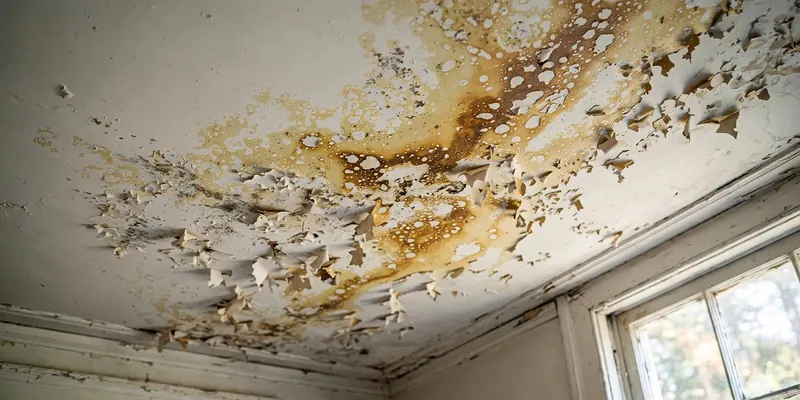
| Wall/ceiling pipe | Stains, musty smell | Moisture mapping |
Why Camden Bills Make Leaks Easy to Miss
Here's the thing about our area: plenty of Camden homes have older plumbing where a pinhole leak starts tiny — adding maybe 10-20% to the bill. Easy to shrug off for a cycle or two. Then it grows. By the time the bill doubles, the leak has been running for months and the surrounding damage (mold inside a wall, soil erosion under a slab) has been compounding the whole time. The bill is the smoke alarm — don't unplug it.
When to Call for Professional Leak Detection
Call (856) 245-0967 when: the meter test shows flow with everything off; the bill keeps climbing after you've ruled out toilets and habits; or you have any of the 7 signs of a hidden water leak alongside the bill spike. Wondering what the visit runs? Here's what leak detection costs in Camden — and in most cases, one detection visit costs far less than another quarter of leak-inflated bills plus the damage.