
Slab Leak Detection
Warm spots on your floor or a sudden spike in your water bill? We locate leaks under concrete slabs with acoustic sensors and thermal imaging — no jackhammer guesswork.
Slab Leak Detection in Camden, NJDamp spot on the basement wall? Water bill climbing for no reason? We're Leak Fix Pros — we find hidden leaks in Cherry Hill homes every week, inside walls, under slabs, and in pool plumbing, without tearing your house apart. Call (856) 245-0967.
Every leak detection Cherry Hill service below is available right here in the township — same equipment, same non-invasive approach.
Warm spots on your floor or a sudden spike in your water bill? We locate leaks under concrete slabs with acoustic sensors and thermal imaging — no jackhammer guesswork.
Slab Leak Detection in Camden, NJWe trace leaks in buried water and main lines between your meter and your home, marking the exact spot so repairs stay small and affordable.
Underground Main Line Detection in Camden, NJDamp patches, bubbling paint, or musty smells? Our moisture scans find hidden leaks inside walls and ceilings before mold takes hold.
Interior Wall & Ceiling Detection in Camden, NJLosing more water than evaporation explains? We pressure-test plumbing and scan pool shells to find pool and spa leaks fast — saving water and chemicals.
Pool & Spa Leak Detection in Camden, NJProtect your building and your tenants. We inspect commercial properties for hidden leaks that drive up utility bills and risk structural damage.
Commercial Leak Detection in Camden, NJWe detect natural gas line leaks and HVAC refrigerant leaks with sensitive electronic detectors. Smell gas? Leave the property and call 911 first — then call us.
Gas & HVAC Refrigerant Detection in Camden, NJOur ultra-sensitive ground microphones hear leaks you can't — pinpointing pressurized pipe leaks under soil, concrete, and asphalt.
Acoustic Leak Detection in Camden, NJInfrared cameras reveal temperature differences caused by hidden moisture, letting us map leaks behind surfaces without opening them.
Thermal Imaging Leak Detection in Camden, NJFor the toughest leaks, we introduce a safe tracer gas into the line and track it to the exact escape point — accurate to within inches.
Tracer Gas Leak Detection in Camden, NJSoggy yard spots or sewage odors? We locate breaks and leaks in sewer lines so you fix the right section the first time.
Sewer Line Leak Detection in Camden, NJActive leak causing damage right now? Call (856) 245-0967 — we prioritize urgent leak calls across Camden, NJ.
Emergency Leak Detection in Camden, NJSummer bill spike but the house is dry? We test each sprinkler zone at the meter, check valves and the manifold, and mark the broken lateral before anyone digs — one small patch of lawn, not a trench across it.
Irrigation Leak Detection in Camden, NJTenant reported a stain, or a bill spiked on one property among many? We pinpoint the leak and document it with a written report, moisture map, and photos your owner or insurer can act on.
Property Manager Leak Detection in Camden, NJNot sure which applies? Call and describe the symptom — matching the right leak detection method to the symptom is half the job.
We've worked every corner of the township. Barclay grew up in the 1950s around the 1816 Barclay Farmstead — now a 32-acre museum park — and those mid-century homes still run water through 60- to 70-year-old copper and galvanized lines. We find pinhole leaks in Barclay constantly; that mid-century plumbing is the bread and butter of leak detection in Cherry Hill. Kingston and Woodcrest sit in the same mid-century band: split-levels and ranch homes whose hot-water lines run under the slab. Near Croft Farm — the 1700s farmstead that now houses the township arts center — a handful of the oldest homes in Cherry Hill still run on original iron and galvanized service lines.
Erlton is older still — one of the original communities of Delaware Township before the township renamed itself Cherry Hill in 1961, with the township's oldest plumbing. Head east toward Greentree, Ramblewood, and Old Orchard and the stock gets newer: most builds there date to the 1970s and later, with a different leak profile — more finished basements hiding wall leaks, fewer slab lines.
Census data puts the median Cherry Hill home at 1966, with roughly a quarter built before 1960 and just over half from the 1940s–'60s. Much of the township's plumbing went in around the 1961 opening of the Cherry Hill Mall at Route 38 and Haddonfield Road. So it's no surprise that so many of our leak detection Cherry Hill jobs start with a call about the water bill, not a visible puddle.
We serve every Cherry Hill ZIP code: 08002, 08003, 08034 — most visits scheduled same-day or next-day. Call (856) 245-0967.
Plumbing engineers writing at EngineerFix note that galvanized steel was the standard supply pipe in homes built before the 1960s, with a realistic indoor life of 40 to 50 years. Roughly a quarter of Cherry Hill's homes predate 1960, so a lot of galvanized is running 15 to 25 years past its design life. It rusts from the inside out — brown-tinged morning water is the early warning, and a classic reason homeowners call for leak detection.
The '50s-through-'70s boom that built most of the township mostly used copper — 50 to 70 years for standard supply pipe, thinner Type M pinholing in as little as 20. This is why so much of the leak detection Cherry Hill homeowners call us about is warm spots on slab-addition floors and the faint sound of water running when every tap is off. That's the honest math behind professional leak detection: find the weak point before it finds your drywall.
Then the finished basements: a slow leak behind drywall can soak framing for months before the musty smell gives it away. And the pools: losing more than evaporation accounts for almost always means a plumbing leak. Pool leak detection is one of our fastest visits — pressure-tested, found, usually the same day.
Your pipes aren't the only aging plumbing in the story. Cherry Hill is served by New Jersey American Water, and the utility's own announcements read like a leak-hunter's map. In April 2023 the company said it was replacing two and a half miles of 1950s-era 6- and 8-inch mains — along Cedarbrook Road, Collins Drive, and Daytona and Deland Avenues. This year it's spending about $2.5 million to replace an early-1900s cement main along Kresson Road.
Why should you care? The pipe feeding your block may be a century old, and old mains mean pressure swings that show up as leaks at your curb box. The service line from the curb box to your house, though, is typically the homeowner's responsibility. When the bill spikes and the utility finds nothing on their side, that's when we come in — with leak detection for Cherry Hill's aging service lines, pinpointing your stretch without digging up the whole yard.
Find your main shutoff valve and make sure it turns — the first thing we test on any leak detection visit.
South Jersey winters are leak season in disguise. A deep freeze pushes the frost line into crawl spaces and unheated closets, and the split often stays silent until the thaw. Then the ice plug melts, full pressure returns, and the cracked pipe feeds the subfloor. After the arctic blast of February 2026, plumbers statewide warned that freeze damage often doesn't show until the ice melts.
Two winter flavors: no water, then a burst — or the quiet one, a hairline freeze crack that drips inside a wall for weeks and shows up as a musty smell or a ceiling stain. That freeze-thaw-drip rhythm is behind so much of the leak detection Cherry Hill homes need each winter.
Before the first hard freeze: know where your main shutoff is, disconnect the hoses, keep heat on in any space with pipes. After a deep freeze, check the water meter — if the little triangle spins with everything off, call us before you open a single wall. Leak detection works best while the trail is fresh.
We don't do exploratory demolition — we match the tool to the symptom. Acoustic ground microphones hear pressurized water escaping through concrete and soil; thermal cameras show moisture hiding behind drywall and under flooring.
In finished basements, moisture meters map exactly how far dampness has spread inside the wall cavity, so if anything needs opening, it's a small, precise cut — not a gut job. For the stubborn ones, safe tracer gas through the line tracks it to the exact escape point. You get a marked spot — then your plumber fixes inches, not rooms.
On cost, since everyone asks: nationally, a professional leak detection visit runs roughly $100 to $400, typically near $250. We price upfront before we start. Those are national figures, not Cherry Hill quotes — call us for an upfront number.
Here's what we tell neighbors to watch for before calling for leak detection:
Spot one of these? The earlier we find it, the smaller the repair. Call (856) 245-0967.
A family in Woodcrest noticed one warm spot on their kitchen tile — the classic sign of a hot-water slab leak. Our thermal camera confirmed a temperature anomaly, and acoustic listening pinpointed it to a single joint. We marked the exact location so their contractor opened one small section of floor instead of the whole kitchen. The house was built in the mid-60s, and the copper hot-water line under the slab had done exactly what 60-year-old copper does.
Another pattern: an Erlton homeowner called in March about a musty smell in a finished basement bedroom — no visible water. Moisture meter readings told the story: a hairline freeze crack in a supply line along an exterior wall, dripping since the February cold snap. One small cut, one precise mark — found before the drywall came down in sheets.
Every Cherry Hill job is different, but the approach is the same: diagnose first, pinpoint second, dig only where the leak actually is. That's leak detection done right — and it's all we do.
Straight answers for Cherry Hill homeowners — real costs, honest symptom guides, and detection methods backed by what leak pros actually see in the field.

Real homeowner bills, what a proper detection visit includes, pricing models explained, and the red flags that mark a quote you shouldn't trust.
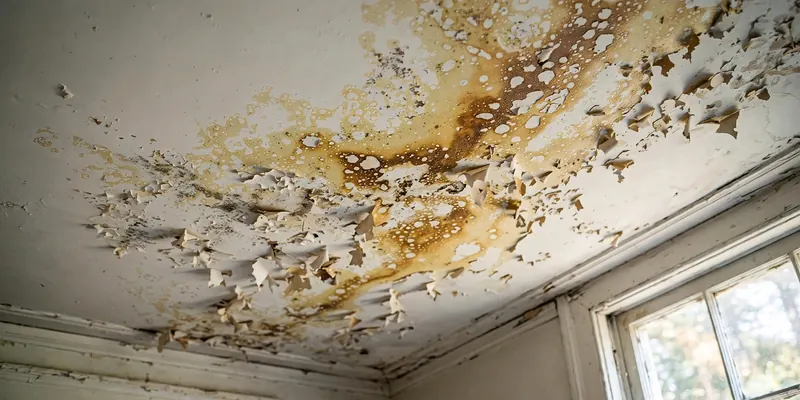
Musty odor, travelling stains, the 48-hour mold clock — why the stain is never where the leak is, and how pros actually track the source.
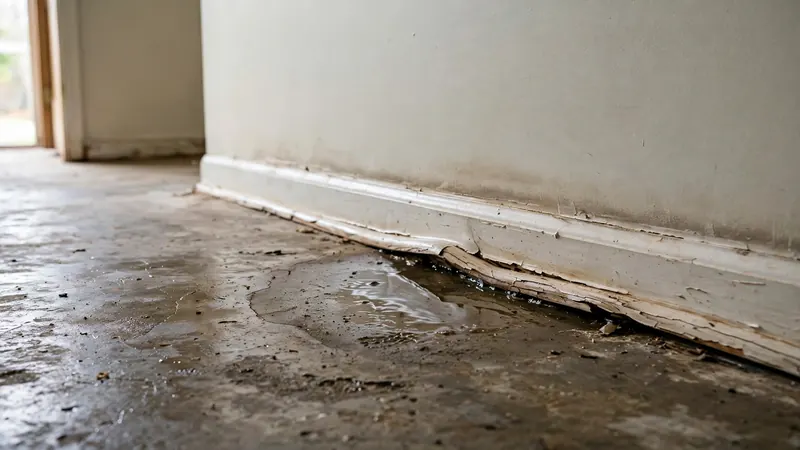
Warm floor spots, phantom water sounds, climbing bills — the six signs of a slab leak, why hot-side leaks dominate, and how pros confirm one without breaking concrete.
No. Thermal cameras and moisture meters map the leak first, so if we need to open anything, it's a small precise spot.
Try the bucket test: set a bucket of pool water on a step and mark both levels. If the pool drops faster than the bucket, it's a leak — we pressure-test the plumbing and find it without draining the pool.
We dispatch from the Camden area — most Cherry Hill visits are same-day or next-day. Call (856) 245-0967.
We specialize in detection: we pinpoint the exact source and hand you a clear report any plumber can work from.
Yes — it's one of the most common calls we get in Cherry Hill. So many 1950s–70s split-levels and ranch homes run hot water lines beneath the concrete slab, and copper doesn't last forever. The three signs: warm spots on the floor, running-water sounds with everything off, and a climbing water bill. We locate the exact point with thermal imaging and acoustic sensors, so the repair opens the smallest possible area.
A lot. Plumbing engineers peg galvanized steel — the standard in pre-1960s homes — at 40 to 50 years of indoor life, and standard copper at 50 to 70, with thinner Type M pinholing in as little as 20 to 50. With Cherry Hill's median home built in 1966, most of the township's original plumbing is at or past those marks.
Nationally, a professional leak detection visit runs about $100 to $400 depending on location and method, with industry cost trackers putting the typical job near $250. We price upfront before we start. Those are national figures, not a Cherry Hill quote — call (856) 245-0967 for an upfront price.
Cherry Hill is served by New Jersey American Water, which owns the street mains — and the utility's own press releases document main replacements here, including an early-1900s cement main on Kresson Road. The service line from the curb box to your house is typically the homeowner's responsibility. If your bill spikes and the utility finds no issue on their side, call us — we locate leaks on your stretch without digging up the yard.
Every day a hidden leak continues, the damage — and the bill — grows. Call Leak Fix Pros now and get answers, not guesswork.