
Slab Leak Detection
Warm spots on your floor or a sudden spike in your water bill? We locate leaks under concrete slabs with acoustic sensors and thermal imaging — no jackhammer guesswork.
Slab Leak Detection in Camden, NJGloucester City's river-town homes have real character — and pipes to match. Damp plaster? Musty rooms? A meter that won't sit still? We're Leak Fix Pros, and we find the exact source of hidden leaks here without gutting rooms to look. Call (856) 245-0967.
Every leak detection service in our lineup serves Gloucester City:
Warm spots on your floor or a sudden spike in your water bill? We locate leaks under concrete slabs with acoustic sensors and thermal imaging — no jackhammer guesswork.
Slab Leak Detection in Camden, NJWe trace leaks in buried water and main lines between your meter and your home, marking the exact spot so repairs stay small and affordable.
Underground Main Line Detection in Camden, NJDamp patches, bubbling paint, or musty smells? Our moisture scans find hidden leaks inside walls and ceilings before mold takes hold.
Interior Wall & Ceiling Detection in Camden, NJLosing more water than evaporation explains? We pressure-test plumbing and scan pool shells to find pool and spa leaks fast — saving water and chemicals.
Pool & Spa Leak Detection in Camden, NJProtect your building and your tenants. We inspect commercial properties for hidden leaks that drive up utility bills and risk structural damage.
Commercial Leak Detection in Camden, NJWe detect natural gas line leaks and HVAC refrigerant leaks with sensitive electronic detectors. Smell gas? Leave the property and call 911 first — then call us.
Gas & HVAC Refrigerant Detection in Camden, NJOur ultra-sensitive ground microphones hear leaks you can't — pinpointing pressurized pipe leaks under soil, concrete, and asphalt.
Acoustic Leak Detection in Camden, NJInfrared cameras reveal temperature differences caused by hidden moisture, letting us map leaks behind surfaces without opening them.
Thermal Imaging Leak Detection in Camden, NJFor the toughest leaks, we introduce a safe tracer gas into the line and track it to the exact escape point — accurate to within inches.
Tracer Gas Leak Detection in Camden, NJSoggy yard spots or sewage odors? We locate breaks and leaks in sewer lines so you fix the right section the first time.
Sewer Line Leak Detection in Camden, NJActive leak causing damage right now? Call (856) 245-0967 — we prioritize urgent leak calls across Camden, NJ.
Emergency Leak Detection in Camden, NJSummer bill spike but the house is dry? We test each sprinkler zone at the meter, check valves and the manifold, and mark the broken lateral before anyone digs — one small patch of lawn, not a trench across it.
Irrigation Leak Detection in Camden, NJTenant reported a stain, or a bill spiked on one property among many? We pinpoint the leak and document it with a written report, moisture map, and photos your owner or insurer can act on.
Property Manager Leak Detection in Camden, NJThe rest of the lineup is on our home page.
We work the whole map — Gloucester Heights, Cloversdale, Newbold, Highland Park, Irishtown, and the Delaware River waterfront district. This is one of the oldest river towns in South Jersey, and the Census numbers prove it: the median home here was built in 1945 (U.S. Census Bureau ACS data, compiled by Point2Homes), and roughly 46 out of every 100 homes went up before 1940 — about triple the national share (Point2Homes; NeighborhoodScout reports 45.8% from the same Census data). Only a handful of New Jersey cities have older housing stock (BestNeighborhood).
That layered history is where leak detection Gloucester City-style begins: the era of the pipe, not the location of the stain. Early-1900s twins, rowhomes, and colonials — many on their original plumbing. Galvanized supply lines corrode from the inside out; century-old clay sewer laterals crack as soil shifts. Nearly three in ten housing units share party walls (Point2Homes, Census ACS), and near the waterfront and Proprietors Park, a high water table adds groundwater pressure.
We serve ZIP 08030 — most leak detection visits scheduled same-day or next-day. Call (856) 245-0967.
When we walk into a Gloucester City home, the first thing we read isn't the stain — it's the era of the pipe: a 1925 house and a 1975 house fail in completely different ways.
Galvanized steel supply lines are the big one: standard before the 1960s, they corrode from the inside out — pressure drops yearly, and water sometimes runs brown after a vacation. Cast-iron drain and waste stacks rot from the inside: slow drains, sewer smells. Clay tile sewer laterals shift and crack as soil settles, and roots find every joint. Pre-1940 homes can still carry a lead service line from the street main, since lead was standard into the 1930s.
Here's the good news: New Jersey's July 2021 law (P.L. 2021, c.183) requires every public water system in the state to replace all lead and galvanized service lines — utility-owned and customer-owned — by 2031 (Middlesex Water; New Jersey American Water via Business Wire). Here that means the Gloucester City Water Department, a municipal department at 512 Monmouth Street drawing from four aquifer wells and treating at the Johnson Boulevard Treatment Plant (WaterZen's summary of its Consumer Confidence Reports). If your line qualifies, the utility foots the bill — check their inventory before you pay to replace a service line yourself. Main break in the street? Their 24-hour emergency line is 856-456-0169. Rule of thumb: water bubbling out of the street — call the water department; your meter moving with every fixture off — that's a leak detection job.
The Delaware River is why Gloucester City exists — and it's why so many Gloucester City basements are damp. Blocks near Proprietors Park and the waterfront district sit close to the water table. After heavy rain or a high-river stretch, saturated soil pushes groundwater against stone and block foundations. A damp basement corner in dry weather is often the first sign: seepage, or a supply line feeding moisture into the soil around the foundation.
The riverfront blocks take the brunt of it. Proprietors Park — the old green on the Delaware where the West Jersey Proprietors have met every April 13th since 1688, per the park's own history — sits right on the water, and the soil around it and King Street stays the most saturated in town, accelerating corrosion on metal lines and shifting clay laterals.
If your basement has a sump pump, watch it: a pump running every few minutes in dry weather means water is entering from somewhere other than rain — often a leaking service line. When leak detection calls come in after heavy rain, our first question is whether the dampness showed up in dry weather too — dry-weather dampness means the leak, not the river.
Gloucester City grew up as a river town — dense blocks of century-old homes with plumbing that's been repaired, replaced, and repaired again. That layered history is exactly where hidden leaks thrive, and why leak detection in these old river-town homes pays for itself fast.
Broadway is still the town's main drag — a 1948 city history notes its 1853 wooden plank road was Gloucester County's first highway, and many buildings along it still carry plumbing from that era.
The sewer laterals are the big one here. Old clay and cast-iron lines crack and shift with age — soggy yard spots and sewage odors are the tell. Our leak detection gear locates the break precisely, so the fix is one section, not a trench across the property.
Inside, plaster walls hide leaks longer than modern drywall — water travels inside the wall, and the paint doesn't bubble until the leak's been running a while. Thermal imaging sees through that and traces moisture to its source instead of chasing stains.
We also get a steady stream of calls from the Irishtown district, where the city's 2024 neighborhood plan documents ongoing revitalization, including around Proprietors Park. Older rentals coming back to life there carry decades of layered plumbing.
Old homes don't scare us — they're most of what we do. Every leak detection Gloucester City visit ends the same way it starts: diagnose first, pinpoint second, dig only where the leak actually is.
Acoustic microphones pick up pressurized leaks through soil and concrete, and pipe-contact sensors trace a line through plaster without opening it. On plaster, thermal imaging earns its keep: a wet patch shows on our cameras long before the paint bubbles. That's professional leak detection in practice — trace moisture to its source, not stains.
For buried lines that hide from everything else, tracer gas goes in and our sensors track it to the exact escape point.
You get a marked spot and a straight explanation — then a repair measured in feet, not rooms. That's leak detection Gloucester City homeowners keep asking for: honest answers, one small dig.
Let's talk money straight. We're not going to quote your job on a webpage — nobody honest can without seeing the leak. But national figures give you a frame: Angi's 2026 cost data puts professional leak detection at an average of $280 nationally, with most homeowners paying $150–$400 per visit (Angi 2026).
A full sewer lateral replacement averages $1,702 nationally at $50–$150 per linear foot (Angi 2026) — which is why pinpointing the break first matters. One Contractor Magazine trade column puts it bluntly: the cost is rarely the pipe — it's the concrete you open and the hours you spend getting there.
And leaks don't wait politely. EPA, CDC, and FEMA all cite the same window — mold begins growing on damp surfaces within 24 to 48 hours (EPA/CDC/FEMA guidance). Every day a hidden leak runs, the repair bill compounds. If your home matches any of the signs below, leak detection Gloucester City–area scheduling is same-day or next-day: call (856) 245-0967.
The leak detection warning signs we give Gloucester City homeowners:
Seeing any of these? Call (856) 245-0967 — old-house leaks only get more expensive.
A Gloucester Heights homeowner called about a perpetually soggy side-yard strip — wet even in dry weeks, so not rain and not sprinklers. The 1920s twin was running its original clay sewer lateral, the failure we see most in this ZIP: soil shifts over decades, clay cracks at a joint, roots do the rest.
Our leak detection locator traced the break to a single joint about 40 feet from the house — one hole instead of a full-yard trench.
That's leak detection Gloucester City done right: diagnose first, pinpoint second, dig only where the leak actually is.
Straight answers for Gloucester City homeowners — real costs, honest symptom guides, and detection methods backed by what leak pros actually see in the field.
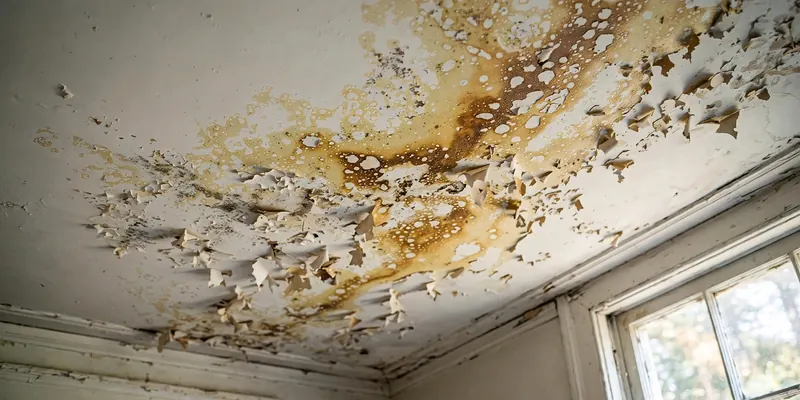
Musty odor, travelling stains, the 48-hour mold clock — why the stain is never where the leak is, and how pros actually track the source.
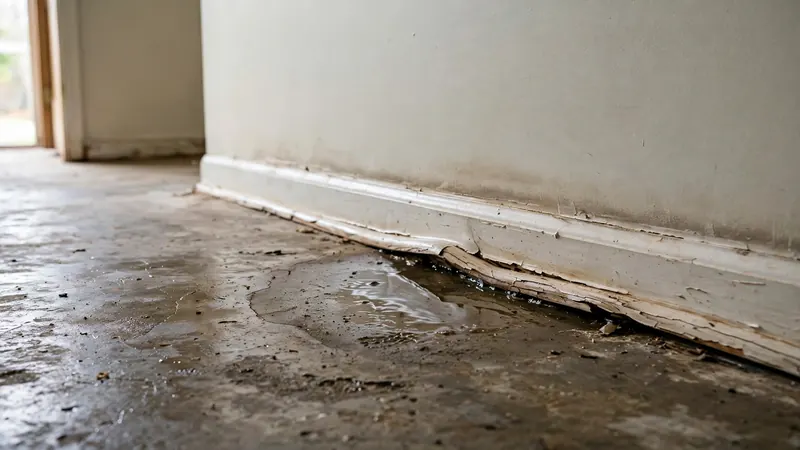
Warm floor spots, phantom water sounds, climbing bills — the six signs of a slab leak, why hot-side leaks dominate, and how pros confirm one without breaking concrete.

Real homeowner bills, what a proper detection visit includes, pricing models explained, and the red flags that mark a quote you shouldn't trust.
Absolutely — older homes are our bread and butter. Acoustic, thermal, and tracer gas methods work regardless of the home's age.
Most likely a cracked or shifted clay sewer lateral — the classic failure in this town's pre-war housing stock. Our crew locates the exact break so the repair stays one section.
No. We map the moisture first with thermal imaging, so anything opened is one small, precise spot. Plaster hides leaks longer than drywall, but the camera sees through that.
We dispatch from the Camden area and keep Gloucester City scheduling tight — most visits are same-day or next-day. Call (856) 245-0967.
Yes. Supply lines often run under driveways and walkways here, and acoustic ground microphones hear the leak through concrete and asphalt. Our tech marks the spot so the repair opens one small area.
It can. Saturated soil near the Delaware River waterfront corrodes old metal supply lines and shifts clay laterals. Our acoustic and locator equipment is built for these conditions — we find the break without digging up your yard.
The Gloucester City Water Department, a municipal utility at 512 Monmouth Street. The street main is theirs; the line from curb stop to house is yours. Their 24-hour emergency line is 856-456-0169; your meter moving with every fixture off — that's a leak detection job.
Yes. New Jersey's July 2021 law (P.L. 2021, c.183) requires every public water system to replace all lead and galvanized service lines by 2031 — utility-owned and customer-owned. If your line is lead or galvanized, the utility foots the bill.
Every day a hidden leak continues, the damage — and the bill — grows. Call Leak Fix Pros now and get answers, not guesswork.