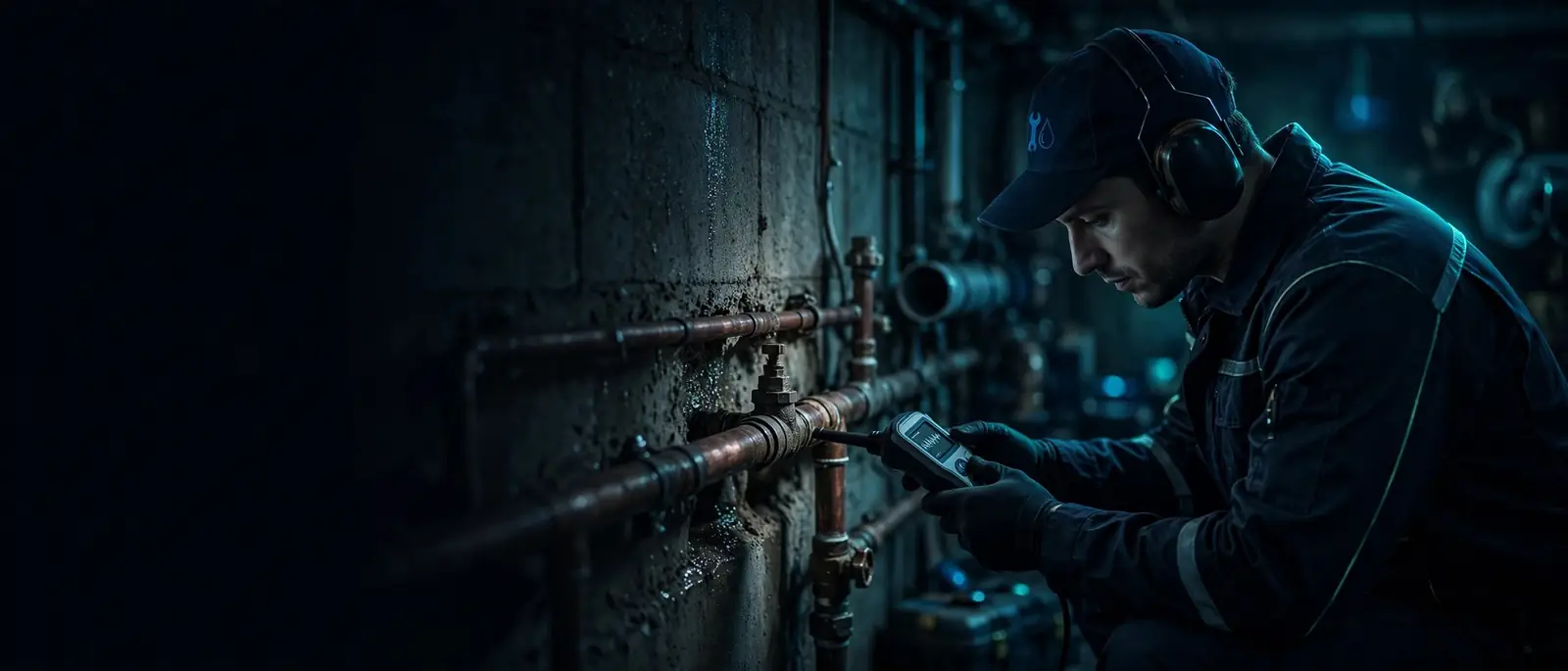
Slab Leak Detection
Warm spots on your floor or a sudden spike in your water bill? We locate leaks under concrete slabs with acoustic sensors and thermal imaging — no jackhammer guesswork.
Slab Leak Detection in Camden, NJWe're based just minutes away in Camden, and we're in Pennsauken constantly. Water bill jumped? Basement gone musty? Hearing water run with everything off? We'll find your leak and show you exactly where it is — no exploratory digging. Call (856) 245-0967.
Full menu — every leak detection service available in Pennsauken:
Warm spots on your floor or a sudden spike in your water bill? We locate leaks under concrete slabs with acoustic sensors and thermal imaging — no jackhammer guesswork.
Slab Leak Detection in Camden, NJWe trace leaks in buried water and main lines between your meter and your home, marking the exact spot so repairs stay small and affordable.
Underground Main Line Detection in Camden, NJDamp patches, bubbling paint, or musty smells? Our moisture scans find hidden leaks inside walls and ceilings before mold takes hold.
Interior Wall & Ceiling Detection in Camden, NJLosing more water than evaporation explains? We pressure-test plumbing and scan pool shells to find pool and spa leaks fast — saving water and chemicals.
Pool & Spa Leak Detection in Camden, NJProtect your building and your tenants. We inspect commercial properties for hidden leaks that drive up utility bills and risk structural damage.
Commercial Leak Detection in Camden, NJWe detect natural gas line leaks and HVAC refrigerant leaks with sensitive electronic detectors. Smell gas? Leave the property and call 911 first — then call us.
Gas & HVAC Refrigerant Detection in Camden, NJOur ultra-sensitive ground microphones hear leaks you can't — pinpointing pressurized pipe leaks under soil, concrete, and asphalt.
Acoustic Leak Detection in Camden, NJInfrared cameras reveal temperature differences caused by hidden moisture, letting us map leaks behind surfaces without opening them.
Thermal Imaging Leak Detection in Camden, NJFor the toughest leaks, we introduce a safe tracer gas into the line and track it to the exact escape point — accurate to within inches.
Tracer Gas Leak Detection in Camden, NJSoggy yard spots or sewage odors? We locate breaks and leaks in sewer lines so you fix the right section the first time.
Sewer Line Leak Detection in Camden, NJActive leak causing damage right now? Call (856) 245-0967 — we prioritize urgent leak calls across Camden, NJ.
Emergency Leak Detection in Camden, NJSummer bill spike but the house is dry? We test each sprinkler zone at the meter, check valves and the manifold, and mark the broken lateral before anyone digs — one small patch of lawn, not a trench across it.
Irrigation Leak Detection in Camden, NJTenant reported a stain, or a bill spiked on one property among many? We pinpoint the leak and document it with a written report, moisture map, and photos your owner or insurer can act on.
Property Manager Leak Detection in Camden, NJPennsauken's leak patterns are written into its geography. The Delaware River runs along the west — crossed by the Betsy Ross Bridge off Route 90 — the Cooper River forms the southern border with Cherry Hill, and the South Branch of Pennsauken Creek marks the northern line with Burlington County. Water on three sides means a high water table almost everywhere — and that shapes nearly every call we take.
In Delair, the riverfront neighborhood by the Delair Bridge and the Pennsauken Transit Center, most homes date from the 1940s–60s, and USGS records put parts of it just 6 feet above sea level. Older galvanized supply lines, old sewer laterals, low ground: the combination we see most. Along River Road and the Betsy Ross Bridge approaches, the calls skew commercial — older buildings with plumbing patched for decades.
Bloomfield (08109) is the mid-century section — split-levels and colonials from the 1950s boom, some in the same family since they were built, which usually means original supply and drain lines. Along Westfield Avenue and the Pennsauken Creek corridor, homes sit on tidal, marshy ground, and we see more basement moisture and yard seepage that turns out to be a failing lateral — or groundwater finding its way in.
We serve 08109 and 08110 — most visits same-day or next-day.
Here's the stat behind most of our Pennsauken work: Census-based estimates compiled by Point2Homes put the median Pennsauken home's build year at 1954, and BestNeighborhood's analysis finds half the township's homes were built before 1964 — against a national median of 1980. Roughly 23% went up in 1939 or earlier and about 31% in the 1950s alone — a huge population of pipes at or past their design life.
Pipe materials follow the build year: 1930s–40s homes usually carry galvanized steel supply lines — 40 to 50 years of life, corroding from the inside until pressure drops. Sewer laterals from those decades are clay tile with mortar joints; cast iron from the 1950s on. Both are now 60 to 80 years in: clay joints shift and admit roots, cast iron rusts through from the bottom. Copper replaced galvanized in the 1960s–70s, but most of Pennsauken is still on the old stuff.
So when a 1955 ranch has a warm floor or a creeping bill, the plumbing's age is the first suspect — which is why we pressure-test first instead of assuming it's just the water table.
Your water doesn't come from a big regional utility: it's the Merchantville-Pennsauken Water Commission (MPWC), headquartered at 6751 Westfield Avenue, right here in town. Per the commission's own materials, MPWC pumps from 15 wells tapping the Potomac-Raritan-Magothy aquifer, treated at five facilities. Since a 1993 state cut to its permitted pumping capacity, about 1% of the supply has been purchased from New Jersey American Water.
Why does this matter for leak detection? Because your water bill is your earliest warning system. If a bill jumps with no change in your habits, the MPWC — (856) 663-0043, answered 24 hours — can tell you whether the meter records continuous flow. If it is, water is moving through your plumbing right now, whether you can see it or not. That's the moment to call us at (856) 245-0967: for leak detection Pennsauken neighbors can reach fast, our acoustic microphones hear what your eyes can't.
The Delaware River to the west, the Cooper River to the south, and the tidal Pennsauken Creek across the top keep the water table high, so plenty of basements and crawlspaces run damp year-round. Groundwater seepage and a plumbing leak feel identical: damp floor, musty air. We diagnose which one you're dealing with, because the fixes are completely different.
Then there's the plumbing: 60-plus-year-old galvanized supply lines and clay or cast-iron laterals that crack, shift, and admit roots. Gurgling drains paired with a damp spot in the yard is the classic failing-lateral warning — our leak detection cameras find the break so the repair stays to one section. Pennsauken's many duplexes and converted buildings add more bathrooms, more joints, more failure points — a leak in one unit usually surfaces as a stain in someone else's ceiling. We trace the plumbing to the actual source before anyone opens a wall.
And every hard freeze, we get the calls: hose bibs and crawlspace pipes that burst overnight. If a freeze just passed and your bill looks wrong, don't wait it out.
New Jersey winters bring roughly 28 pipe-freezing days a year, per one NJ home-services company — and freezing water expands, which is what splits pipes. A crack as small as an eighth of an inch can release 250 gallons of water a day, enough to soak drywall and start mold within days.
One New Jersey insurance breakdown puts the average burst-pipe claim at $10,000–$15,000 for cleanup and basic repairs; nationally, the Insurance Information Institute's average water-damage-and-freezing claim is around $10,000. Against those numbers, finding the leak early is the cheapest option.
After any hard freeze, check crawlspaces, listen for running water with everything off, and watch the meter — a moving dial means a leak. Call (856) 245-0967 before the thaw finishes the job.
Our first job on most leak detection Pennsauken visits is diagnosis: moisture mapping plus pressure testing separates a plumbing leak from groundwater seepage. In a town with this high a water table, skipping that step is how people pay for the wrong fix — one homeowner's "foundation waterproofing project" is another's single pinhole in a copper elbow.
For supply lines, our leak detection microphones hear the hiss through soil and concrete — marked within inches. For old sewer laterals, cameras and locators find the break so you repair one section, not the whole run. Tracer gas handles the rest: we fill the line with a safe gas mix and sniff for where it surfaces.
Every visit ends with the exact spot marked and a plain-English explanation — then the right fix, the first time.
What we tell Pennsauken neighbors to watch for before they call for leak detection:
One or more of these? Call (856) 245-0967 — the sooner we look, the smaller it stays.
A homeowner in Delair called us after one water bill came in double the usual — no visible leak anywhere. He'd already done the smart thing and confirmed with the MPWC that the meter was recording real usage, so we knew there was water moving somewhere in his plumbing. Our acoustic microphones picked up the hiss of a supply-line leak under his concrete driveway. We marked the spot within inches, and his plumber opened one 3-foot section instead of tearing up the whole drive. Total time on site: under two hours.
That's the pattern on most leak detection Pennsauken jobs: the bill is the alarm, the utility confirms it's real, and we find the spot before the repair gets big. Every job is different, but the approach is the same — diagnose first, pinpoint second, dig only where the leak actually is.
Straight answers for Pennsauken homeowners — real costs, honest symptom guides, and detection methods backed by what leak pros actually see in the field.
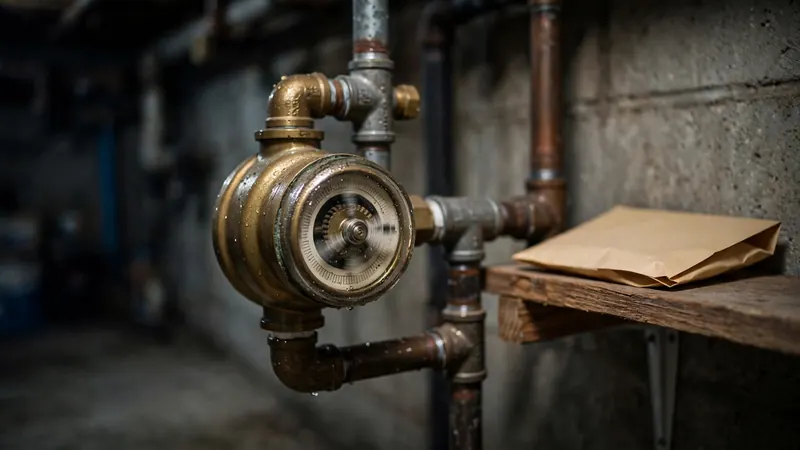
The 15-minute meter test, real water-loss numbers by leak size, and Camden-specific utility facts — from meter rights to pipe replacement programs.

Real homeowner bills, what a proper detection visit includes, pricing models explained, and the red flags that mark a quote you shouldn't trust.
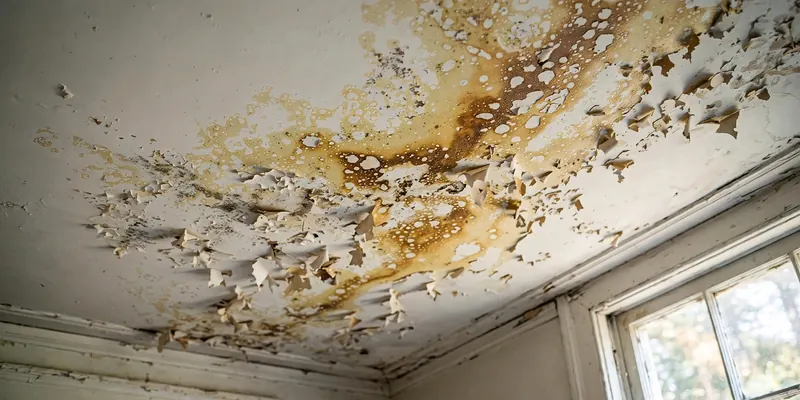
Musty odor, travelling stains, the 48-hour mold clock — why the stain is never where the leak is, and how pros actually track the source.
In Pennsauken it could genuinely be either: with the Delaware River, Cooper River, and Pennsauken Creek nearby, the water table runs high — and a damp basement is our number-one call. Moisture mapping plus pressure testing separates groundwater seepage from an actual plumbing leak, because the fixes are completely different.
Usually a cracked clay or cast-iron sewer lateral (60 to 80 years old on Pennsauken's mid-century homes) or a buried supply-line leak. We trace the line and locate the exact break, so your plumber repairs one section instead of trenching the whole yard.
Most of Pennsauken is served by the Merchantville-Pennsauken Water Commission — 15 wells in the Potomac-Raritan-Magothy aquifer, with a small share from New Jersey American Water. If your bill spikes, the utility can confirm whether the meter records continuous flow — water moving with everything off means a leak. That's when to call (856) 245-0967.
Yes — duplexes, conversions, small apartment buildings. A leak in one unit has a habit of showing up as a stain in someone else's ceiling, so our leak detection traces which unit's plumbing is actually the source before anyone opens a wall.
Yes — many Pennsauken homes and additions sit on concrete slabs. Warm spots on the floor, running-water sounds with everything off, and a bill that jumps are the classic signs. We pinpoint slab leaks with acoustic sensors and thermal imaging — no exploratory jackhammering.
The water table doesn't cause plumbing leaks, but near the Cooper River, Delaware River, and Pennsauken Creek it keeps basements damp year-round — masking the real signs. So leak detection in Pennsauken usually starts with diagnosis: moisture mapping plus pressure testing separates groundwater seepage from an actual pipe leak.
We quote every leak detection Pennsauken visit upfront — no surprises. Price depends on the method: a straightforward acoustic check costs less than a full tracer-gas investigation with moisture mapping. The visit itself costs a small fraction of an undetected leak — a New Jersey burst-pipe claim commonly runs into five figures, and the Insurance Information Institute's national average for water-damage-and-freezing claims is around $10,000, per a New Jersey plumbing company.
We're in and out of Pennsauken constantly — dispatching from the Camden area, we schedule fast, and active leaks get priority. (856) 245-0967.
Every day a hidden leak continues, the damage — and the bill — grows. Call Leak Fix Pros now and get answers, not guesswork.