Straight answer: in the slab leak vs water leak question, the first thing to know is that a slab leak is a water leak — "slab leak" describes where it is (in pipes under or embedded in concrete), not a different kind of leak. Every slab leak is a water leak; not every water leak is a slab leak. The distinction matters because location decides the symptoms you'll notice, the equipment needed to find it, and how the repair works — a wall leak might cost a few hundred dollars to fix, while a slab leak can run into the thousands depending on the repair path. Here's the full comparison, with real cost bands and how professionals tell them apart.
The One Thing to Understand First
Direct answer: plumbers don't treat "slab leak" as a separate species — it's a location. Water leaks happen in supply lines, drains, and fixtures; a slab leak is simply one happening in the pipes running beneath or embedded in a concrete slab.
A&A Plumbing (Schertz, TX): "A leak under your home's foundation is very different from a typical plumbing leak, and the repair process is often much more involved than homeowners expect." The water is the same — the access differs. A wall leak means opening drywall; a slab leak means concrete work, tunneling, or rerouting.
Symptom Comparison: Which Leak Do You Have?
Direct answer: warm floor spots, running-water sounds, and hot-water bills point to slab; visible stains and damp drywall point to walls and ceilings; soggy yard stripes and low pressure point underground.
| Symptom | Slab leak | Wall / ceiling leak | Yard / underground leak |
|---|---|---|---|
| Warm spot on floor | Classic sign — hot line leaking underneath | Rare | Rare |
| Sound of running water, all taps off | Common — pressurized line under concrete | Sometimes, inside walls | Sometimes, near the line |
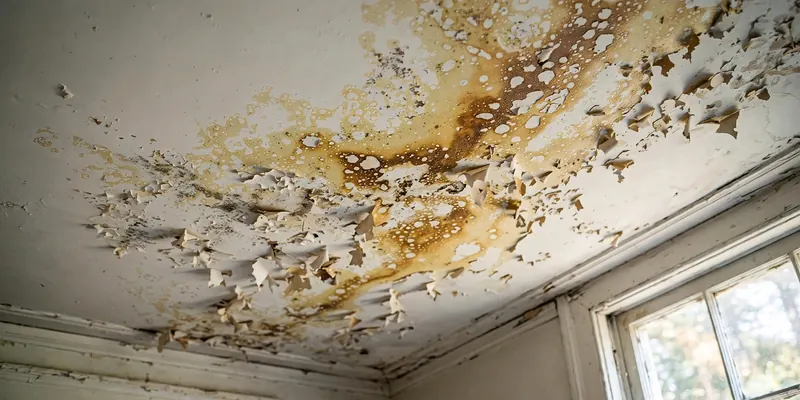
| Visible stains / damp drywall | Unusual (no visual access) | Classic sign | Unusual |
| Soggy stripe in yard | Possible at slab edge | No | Classic sign |
| High water bill, no visible cause | Very common | Common | Very common |
| Low water pressure | Common | Occasional | Common |
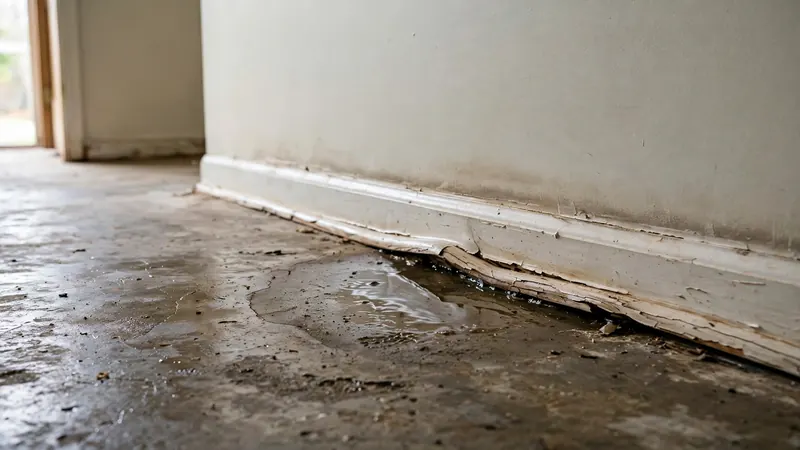
| Cracks in floor / baseboards pulling away | Possible — soil erosion under slab | No | No |
Hot-water slab leaks dominate — one leak specialist puts them at "80 to 90 percent" on the hot side — so a constantly running water heater plus one hot tile spot is the telltale combo. [anecdotal] See our slab leak symptoms guide.
Detection: How the Approach Differs
Direct answer: wall leaks start with visible evidence and confirm with meters; slab leaks need the full acoustic-pressure-thermal sequence before any concrete is touched.
For a wall or ceiling leak, the workflow is straightforward: visible evidence first (stains, blistering paint, damp drywall), then moisture meters and thermal imaging to map how far water spread, then open the drywall. Repairs for an accessible leak run roughly $150–$350 for a single joint or cracked section. [anecdotal — single-company figure]
For a slab leak, there's no visual access — so pros run a documented sequence before touching concrete: isolate and meter-check, pressure-test hot vs. cold separately, trace the pipe route, sweep with acoustic microphones until the signal peaks, confirm with thermal imaging. "Nobody should be opening your concrete to look for it." Detection runs about $200–$700.
A Master Plumber on the Terry Love forum draws the personnel line sharply: "You need a professional leak detector company, NOT a plumber who advertises 'leak detection'. He will have the means to test each line." For drain lines under a slab, he adds, a camera inspection is mandatory.
Repair Options Compared
Direct answer: wall leaks get opened and fixed directly; slab leaks offer four paths — spot repair, reroute, tunneling, or epoxy lining — each with real trade-offs.
| Repair path | Typical cost band | Best when | Watch out |
|---|---|---|---|
| Spot repair (break slab at the leak) | $800–$4,500 | Single leak, otherwise-sound pipes | Old pipes often leak again nearby within a year or two — then you pay for demolition twice |
| Reroute (abandon line, run PEX overhead) | $1,200–$5,500 | One bad line, rest of system sound | New pipe must be freeze-protected in cold climates |
| Tunneling under the slab | $300–$500 per linear foot | Whole lines need replacement; high-end flooring; occupied home | Costs more, takes days, not all plumbers offer it |
| Epoxy pipe lining | $85–$250 per linear foot | Pinhole leaks, otherwise-sound pipe over 2" diameter | Not for collapsed pipe or bad joints; reduces internal diameter |
| Full repipe | $3,000–$15,000 | Aging system with repeat failures | Biggest upfront cost; ends the cycle |
The reroute logic is consistent across pro forums: one bad line but sound system → abandon the under-slab section, run PEX through walls or attic. One Texas homeowner paid $1,500 for a ~40-foot attic PEX reroute, ~4–5 hours labor. [anecdotal]
Then the age rule, from Terry Love forum's owner: on a 70-year-old house, "save your money spent on detection and repipe it — who cares where the failed pipe is?" Four or five repeat repairs cost as much as one repipe — and an Oklahoma homeowner proved it: one month after rerouting a hot-side slab leak, the cold line leaked in the same spot. [anecdotal]
The New Jersey Reality Check
Direct answer: classic slab-on-grade leaks are uncommon in New Jersey housing — but under-concrete leaks still happen in basement slabs, and Camden's aging pipes make them very real.
Here's the foundation math: basements account for roughly 90% of home foundations in the Northeast, while a federal housing study puts New Jersey at only about 5% slab-on-grade residential starts — versus 91% in Texas. So the sun-belt image of supply lines under a slab-on-grade foundation rarely applies here in Camden, NJ.
But "slab leak" still matters in NJ: basement slabs bury supply and drain lines that leak underneath; Camden's rowhomes and capes carry aging galvanized and copper — exactly the vintage that fails; freeze-thaw and clay soils stress buried piping. For New Jersey, a slab leak usually means under a basement slab — same equipment, same options, different foundation.
So Which Do You Have — and What Now?
Direct answer: match your symptoms to the table above, then get the location pinpointed before anyone talks repair.
Weighing slab leak vs water leak elsewhere? Visible stains and damp drywall → wall/ceiling leak, open and fix. Warm floor spots, running-water sounds, or a climbing bill with nothing visible → suspect slab or underground — get acoustic + thermal detection before any concrete talk. House 60–70 years old with original piping? Price the repipe alongside the spot repair.
Either way, diagnosis comes before demolition. Our slab leak detection pinpoints under-concrete leaks without exploratory breaking, underground main line detection traces yard lines, and our detection cost guide tells you what the visit should run. Call (856) 245-0967 — we'll find exactly which kind you're dealing with.
Frequently Asked Questions
Usually yes — not because the water is different, but because access is. A wall leak means opening drywall ($150–$350 for an accessible fix); a slab leak means concrete work, tunneling, or rerouting ($800–$15,000 depending on path). Same leak, very different bill.
Warm spots on the floor, the sound of running water with all taps off, a climbing water bill with no visible stains, and (for hot-side leaks) a water heater running constantly. Detection uses acoustic listening, pressure testing, and thermal imaging — never exploratory concrete breaking.
Yes — just less often in the classic sun-belt form. NJ is ~90% basement foundations, but basement floor slabs still bury supply and drain lines that can leak underneath, and Camden's aging galvanized/copper stock plus freeze-thaw cycles create the failures.
Single leak with otherwise-sound pipes: spot repair ($800–$4,500). One bad line but sound system: reroute PEX overhead ($1,200–$5,500) — no demolition, future repairs stay accessible. Aging system with repeat leaks: price a full repipe; four or five spot repairs cost as much.
Tunneling digs under the slab from outside instead of breaking through it — no jackhammers indoors, flooring untouched, daily life continues. It typically costs $300–$500 per linear foot and takes several days; best when whole lines need replacement or flooring is high-end.
Sometimes. Epoxy lining ($85–$250/ft) creates a seamless inner barrier with no demolition, but only works on structurally intact pipe over 2" diameter with sound joints — not collapsed or broken pipe — and it slightly reduces internal diameter.